Understanding and Responding to Suicidal Thoughts: A Guide to Helping Others
Discussing suicide, a topic shrouded in stigma and fear, is crucial for prevention and support. This blog post aims to provide actionable steps for individuals who may know someone considering suicide. Understanding and recognizing the signs can create a supportive environment that may save a life.
1. Recognize the Warning Signs
The first step in helping someone is to recognize the warning signs that they might be considering suicide. These signs can be subtle or overt and may include:
- Expressions of hopelessness or having no reason to live.
- Withdrawal from friends, family, and activities.
- Changes in behavior, sleep patterns, or eating habits.
- Talking about wanting to die or to kill themselves.
- Increased use of alcohol or drugs.
Taking these signs seriously is important, even if they seem like passing comments.
2. Initiate a Conversation
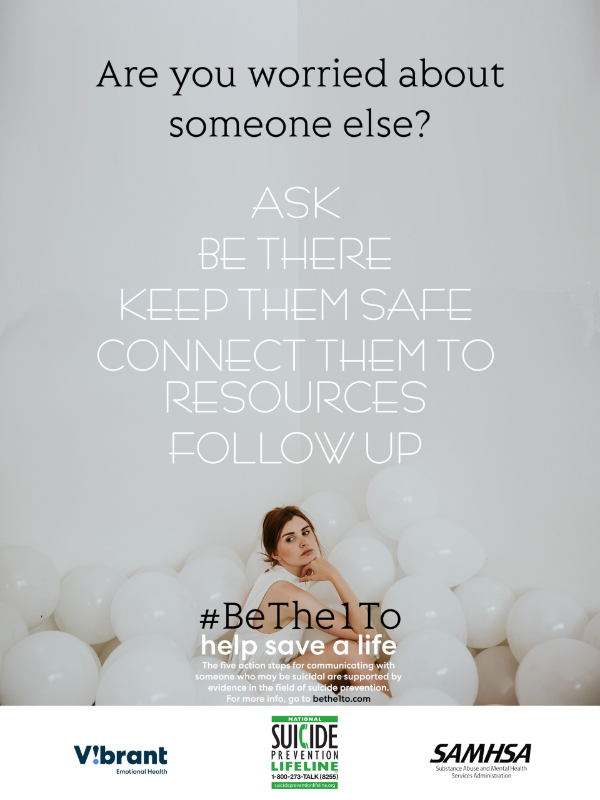
Once you suspect someone might be considering suicide, it’s crucial to initiate a conversation. Approach them in a caring and non-judgmental way. You might start by saying, “I’ve noticed you’ve been going through a tough time recently, and I’m worried about you.” Give them space to share their feelings and listen attentively. Remember, this conversation could be a critical step in their decision to seek help.
3. Show Empathy and Support
It’s important to show empathy and support during your conversation. Avoid dismissive statements like “Things will get better,” or “You have so much to live for.” Instead, validate their feelings by saying things like, “It sounds like you’re going through a really hard time.” Let them know you are there for them and that their feelings are important.
4. Encourage Professional Help
Encourage the person to seek help from a mental health professional. Offer to help them find a therapist or counselor, or even to make the first appointment. If they are already seeing a mental health professional, encourage them to discuss these feelings with them. If they are in immediate danger, do not leave them alone and seek emergency assistance.
5. Follow Up
After your initial conversation, make sure to follow up. Check in with them regularly to see how they are doing. Your continued support can make a big difference in their recovery journey. Remember, healing takes time, and your ongoing concern and support are invaluable.
Conclusion
Dealing with the possibility of a loved one considering suicide can be overwhelming and frightening. However, by recognizing the signs, initiating conversation, showing empathy, encouraging professional help, and following up, you can provide essential support. Remember, you don’t have to be a professional to help someone feel heard and valued; sometimes, just being there can make all the difference.
Help is available.
If you or someone you know is struggling or in crisis, help is available 24/7.
Call or text 988 or chat 988lifeline.org
988 Suicide and Crisis Lifeline: Answers 24/7 Dial or Text 988
Contact Us
528 S. Batavia Ave.
Batavia, Illinois 60510
Links
Help Someone
Support Groups
Counseling
Contact